Plush toy "Angry Birds" <font color="#ff0000">(THI
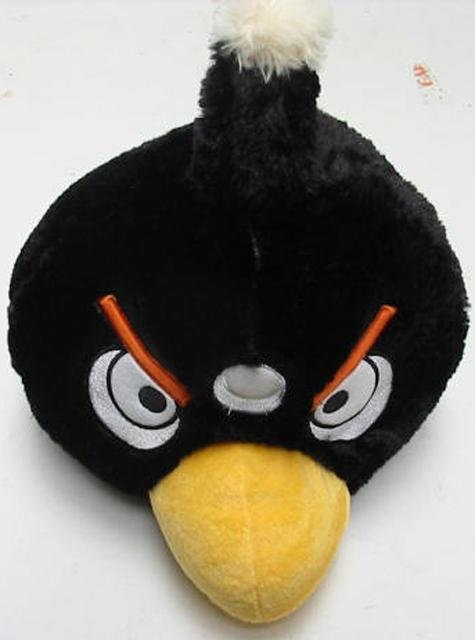
Plush toy "Angry Birds" <font color="#ff0000">(THI was recalled on 18 November 2011 under EU Safety Gate alert 1300/11. Chemical, Choking risk reported by France. The product poses a risk of choking as the suction cup is too small and may obstruct the airway of a child.
| Alert Number | 1300/11 |
| Brand | Unknown |
| Category | Toys |
| Risk Type | Chemical, Choking |
| Notifying Country | France |
| Country of Origin | People's Republic of China |
| Model Number | Unknown |
| Published | 18 November 2011 |
Risk Description
The product poses a risk of choking as the suction cup is too small and may obstruct the airway of a child. It poses a chemical risk as it contains the plastic part of the suction cup contains 29% by weight of bis (2-ethylhexyl) phthalate (DEHP). The product does not comply with the Toys Directive, with the relevant European standard EN 71 or with the REACH Regulation.
Product Description
16 cm soft stuffed toy in the form of a bird with a suction cup. Comes in 5 colours (white, black, blue, red and yellow).
🧪 🛑 What Should You Do?
This recall involves a chemical, choking hazard related to Plush toy "Angry Birds" <font color="#ff0000">(THI.
About this risk
Chemical: This product contains prohibited or hazardous chemical substances that may cause skin irritation, allergic reactions, or long-term health effects. Choking: This product contains small parts that can detach and pose a choking hazard, or its size and shape make it dangerous for young children if swallowed or placed in the mouth.
Recommended action
Chemical: Stop using the product immediately. Wash any skin that has come into contact with it. Keep it away from children. Return it to the retailer for a refund if possible. Choking: Remove the product from children immediately. Check if any small parts are missing. If a child has swallowed a part, seek medical attention immediately. Return the product to the retailer.
Who is at risk?
Anyone who has used this product, especially children, pregnant women, and people with sensitive skin. Children under 3 years old are at highest risk. Supervise older children as well.