Carbon Monoxide Detector
Carbon Monoxide Detector was reported in a safety alert on 27 November 2015 under EU Safety Gate alert A11/0101/15. Asphyxiation risk reported by Hungary. The product is insufficiently sensitive with respect to the detection of carbon monoxide.
Check the exact product before acting
Match the brand, model, barcode and product description to the official notice. A shared brand name alone does not establish that your item is affected.
Model: SAS-CA100 · Barcode: Not specified in this record
Recorded measures: Type of economic operator to whom the measure(s) were ordered: OtherCategory of measure(s): Withdrawal of the product from the marketDate of entry into force: 22/09/2015
Read the original Safety Gate record for the affected scope and official instructions. The report date is not confirmation of current stock or an ongoing recall campaign.
General advice below is editorial guidance, separate from the measures recorded by the notifying authority.
| Alert Number | A11/0101/15 |
| Brand | König |
| Category | Construction products |
| Risk Type | Asphyxiation |
| Notifying Country | Hungary |
| Country of Origin | People's Republic of China |
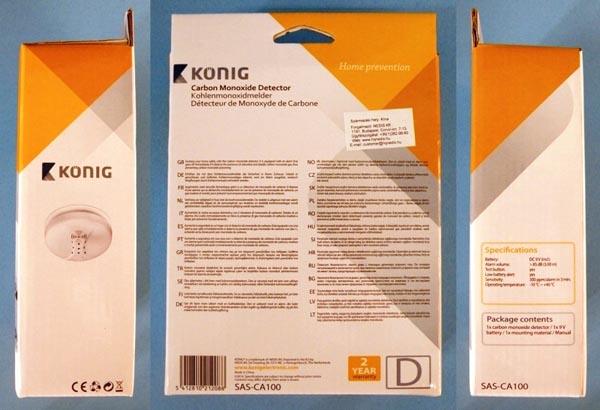
| Model Number | SAS-CA100 |
| Published | 27 November 2015 |
Risk Description
The product is insufficiently sensitive with respect to the detection of carbon monoxide. The product does not comply with the relevant European standard EN 50291-1.
Measures Taken
Type of economic operator to whom the measure(s) were ordered: OtherCategory of measure(s): Withdrawal of the product from the marketDate of entry into force: 22/09/2015
Product Description
Carbon monoxide detector with circular white plastic cover. Battery-powered (9V). Packaging: cardboard box.
🛑 What Should You Do?
This recall involves a asphyxiation hazard related to Carbon Monoxide Detector.
About this risk
This product can block the airways or restrict breathing, posing a risk of asphyxiation.
Recommended action
Remove the product from the environment immediately, especially from sleeping areas. If someone is having difficulty breathing, call emergency services immediately.
Who is at risk?
Infants and young children are at the highest risk.