Bicycle helmet
Bicycle helmet was reported in a safety alert on 28 January 2011 under EU Safety Gate alert 0061/11. Injuries risk reported by Latvia. The product poses a risk of injuries because of insufficient shock absorbing capacity.
Check the exact product before acting
Match the brand, model, barcode and product description to the official notice. A shared brand name alone does not establish that your item is affected.
Model: Model: 88856, EAN 8016038888567 · Barcode: Not specified in this record
Recorded measures: Not specified in this record; consult the official notice.
Read the original Safety Gate record for the affected scope and official instructions. The report date is not confirmation of current stock or an ongoing recall campaign.
General advice below is editorial guidance, separate from the measures recorded by the notifying authority.
| Alert Number | 0061/11 |
| Brand | GOOD BYKE |
| Category | Protective equipment |
| Risk Type | Injuries |
| Notifying Country | Latvia |
| Country of Origin | People's Republic of China |
| Model Number | Model: 88856, EAN 8016038888567 |
| Published | 28 January 2011 |
Risk Description
The product poses a risk of injuries because of insufficient shock absorbing capacity. As a result the cyclist's head can be injured.The product does not comply with the Personal Protective Equipment Directive 89/686/EEC and the relevant European standard EN 1078.
Product Description
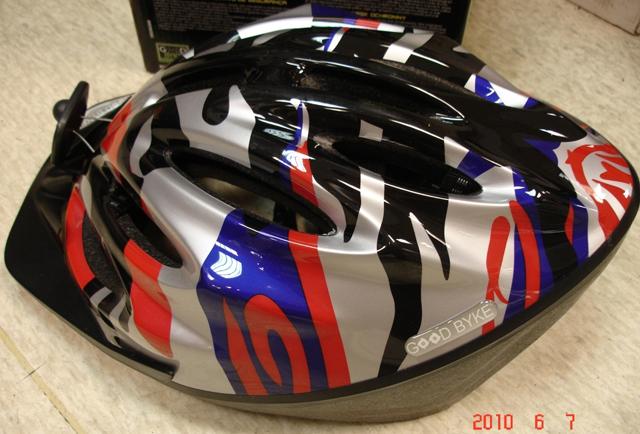
The product is a helmet packed in cardboard packaging. The product is multicoloured (blue, red, grey and black).
⚠️ What Should You Do?
This recall involves a injuries hazard related to Bicycle helmet.
About this risk
This product has a design or manufacturing defect that can cause physical injuries such as cuts, bruises, fractures, or other bodily harm during normal use.
Recommended action
Stop using the product immediately. Check yourself and family members for any injuries. Store the product safely out of reach and contact the retailer or manufacturer for a replacement or refund.
Who is at risk?
All users, particularly children and elderly people who may be more vulnerable to injury.